About · since 1996
I’ve been doing this
since 1996.
Thirty years in search. Three clients at a time. One person doing the thinking.
I find where your money is leaking, then I stop the leak. Sometimes that’s technical — Google quietly gave up on half your site eight months ago and nobody noticed. Sometimes it’s structural, like fourteen towns sharing one paragraph in a footer. Often it’s neither: a form nobody can finish on a phone, an offer that takes three sentences to explain, or the fact that most of your leads arrive by phone and nobody has ever counted them.
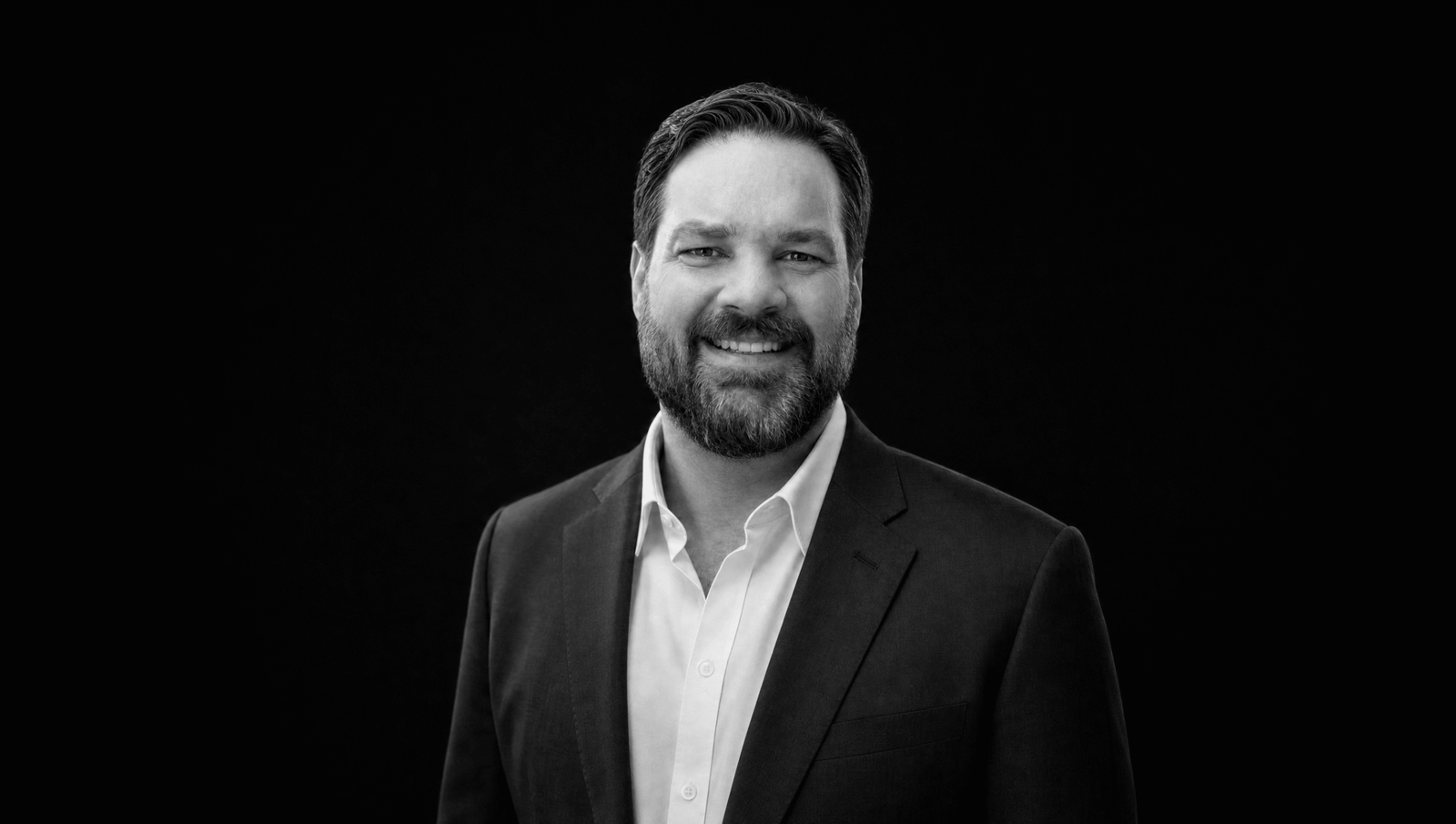
The story
Search used to be a meta tag.
I started in search when search was AltaVista and Lycos, and you ranked a page by stuffing keywords into a meta tag. It worked, it was stupid, and everybody knew it was stupid. Then Google arrived and made all of it worthless overnight.
That’s happened to me maybe twenty times since. Panda. Penguin. Hummingbird. Mobile-first. The helpful content update. Core updates nobody bothered naming. And now answer engines that resolve the question without ever sending you a click.
I’ve spent thirty years watching this industry throw out its own rulebook and write a new one. That’s the qualification. Not a certificate — a very long memory.

The model
Why I work alone.
I’ve worked at agencies. Most of them are client acquisition machines with a delivery department bolted on. The senior person sells the work and a junior does it, and the client never finds out.
That model isn’t evil, it’s just what happens when you need to scale a business built on people. I decided not to build that business.
So I take three clients. You talk to me. The thinking is mine, the strategy never gets handed down, and when something goes wrong there’s nobody for me to blame.

Outside the work
Southern Arizona.
A long memory, a full house.
I live in Southern Arizona with my wife and children. I’ve worked from a lot of places and for a lot of agencies, and I’ve seen most of what this industry does to the people paying for it.
What I bring to the table is a love for helping people and a delight in getting good things done — which is a strange thing to put on an SEO website, and true anyway.